

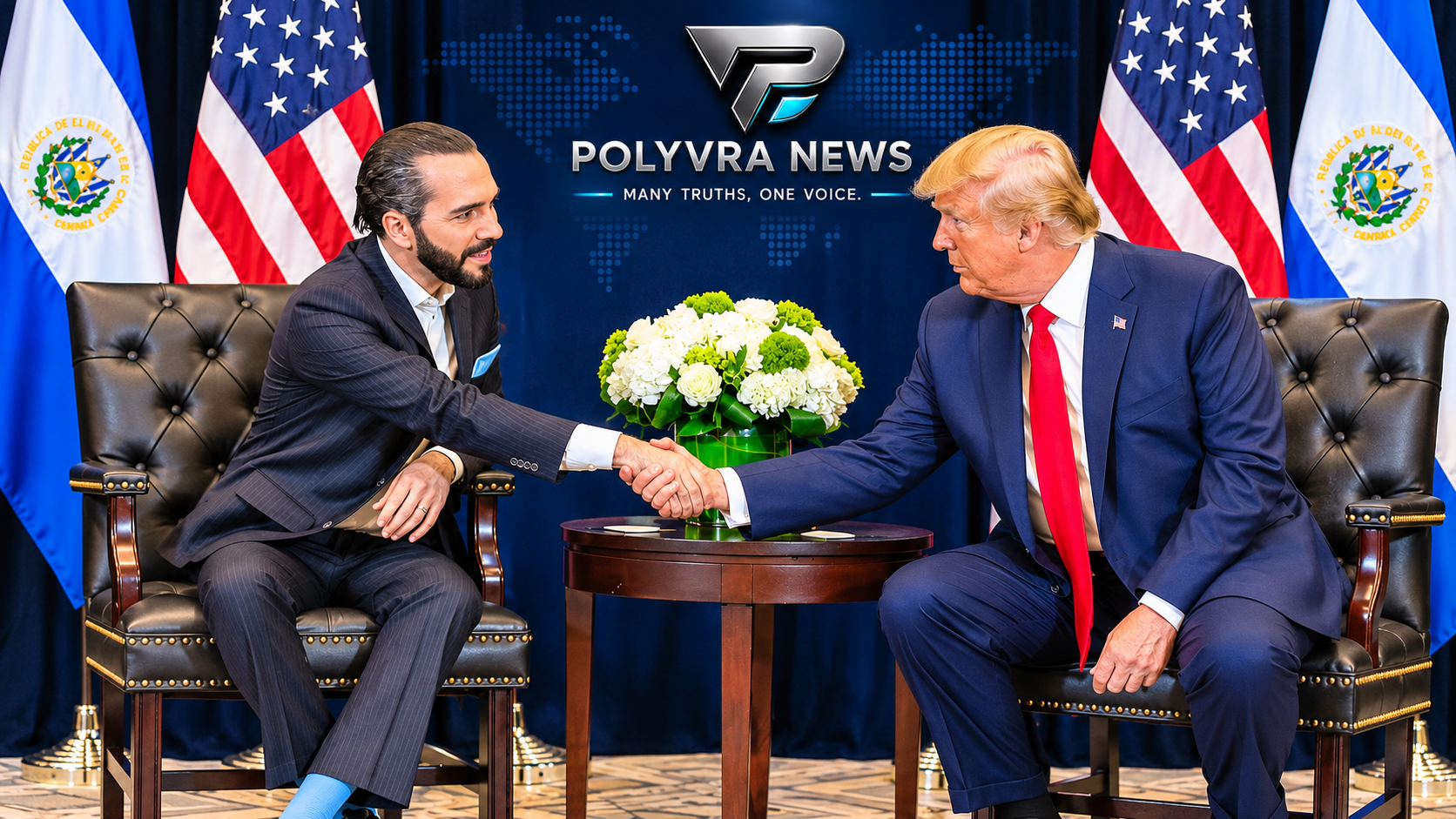
The Bukele Trump Haiti deployment issue raises questions about the legal basis for foreign military involvement, Haiti’s national sovereignty, and the need for transparent public accountability. Any proposed expansion of security operations should be supported by verified statements from the governments involved.
Listen Live — Radio PolyvraNews
An ambush and unanswered questions
Reports concerning an ambush in the Croix-des-Bouquets area have raised concern about the safety of Salvadoran personnel assigned to support security efforts in Haiti. Initial accounts have described four Salvadoran aviation technicians as missing following the incident. Their status must be treated as unconfirmed unless competent authorities provide verified information. Claims that the men were captured or executed should not be repeated as established fact without reliable, independently corroborated evidence.
The incident underscores the dangers facing Haitian communities and foreign personnel operating in areas affected by armed groups. Authorities should clarify what happened, identify the personnel involved, explain the steps being taken to locate anyone missing, and provide verified updates to families and the public.For more coverage, read our related reporting on security and gang violence in Haiti.
Bukele, Trump, and the possibility of a broader role
Discussion of a possible expanded Salvadoran role in Haiti, including reported conversations involving Salvadoran President Nayib Bukele and U.S. President Donald Trump, raises important questions. The existence, content, and status of any specific proposal should be confirmed through on-the-record statements or reliable documentation. Until then, claims about a formal request or authorization should be described as reported or unverified, not as a completed decision.For official updates on U.S. foreign policy, readers can consult the U.S. Department of State.
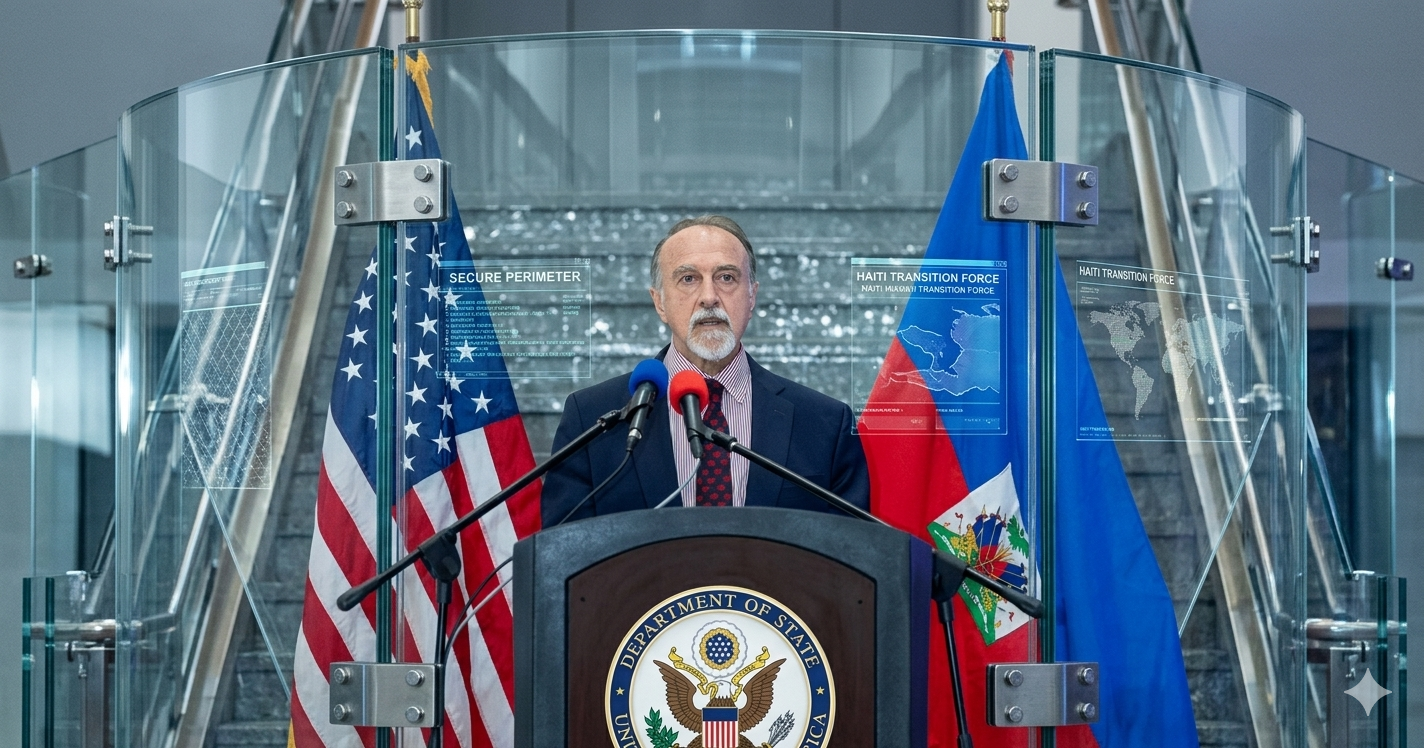
If a proposal to deploy additional military personnel is under consideration, the public deserves clear answers about its mandate, command structure, duration, rules of engagement, legal basis, and accountability mechanisms. Haitian authorities and the Haitian public must have a meaningful role in decisions that affect the country’s security and political future.
Security assistance and Haitian sovereignty
Haiti’s security crisis has created urgent demand for support against armed groups that threaten residents, displace families, disrupt commerce, and restrict access to essential services. International assistance may contribute to security, but the presence of foreign forces does not by itself guarantee lasting stability. Operations need clear objectives, civilian-protection safeguards, independent oversight, and a plan for strengthening Haitian institutions rather than replacing them.
Any expanded deployment should be assessed against its likely effects on civilians. Authorities should explain how operations will avoid unlawful use of force, protect people who are not participating in hostilities, investigate alleged abuses, and ensure that affected communities can report misconduct safely. Transparent public reporting is essential to maintaining trust.
Political accountability and the electoral crisis
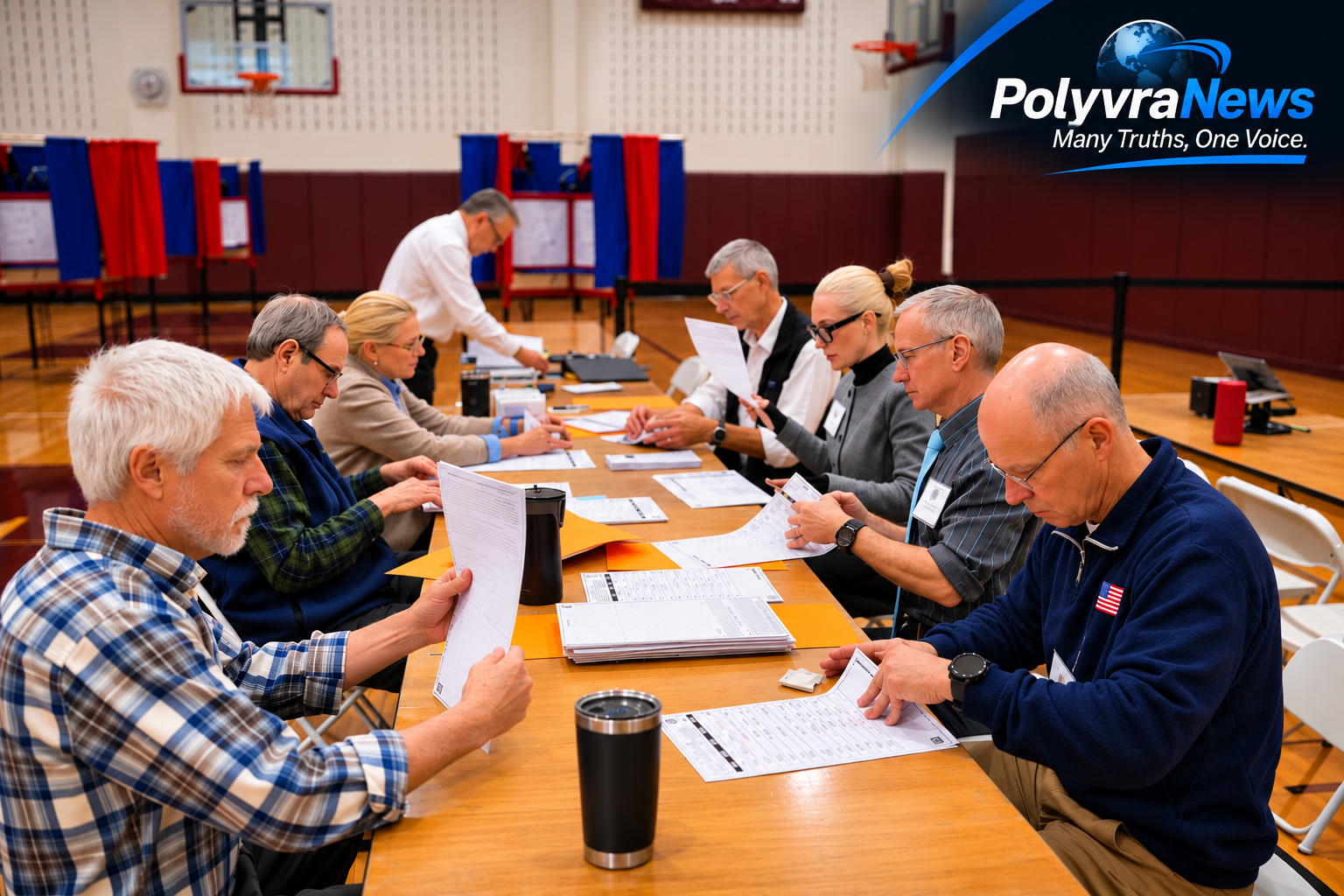
Haiti has endured an extended period without national elections, and the absence of a renewed electoral mandate has intensified concerns about representation and accountability. The phrase “five years without elections” reflects the political concern at the center of this debate; the precise period depends on which election level and electoral milestone are being discussed. A final publication should specify the relevant elections and dates so readers can verify the claim.
Security policy cannot be separated from the question of legitimate governance. Haitian citizens need a credible, inclusive path toward elections and functioning institutions, alongside practical measures to restore security. A security mission that is not paired with a political transition plan risks addressing immediate symptoms while leaving deeper institutional problems unresolved.
Questions that require answers
What is the verified status of the four Salvadoran aviation technicians reportedly missing after the Croix-des-Bouquets incident?
Have Salvadoran, Haitian, or U.S. officials publicly confirmed a request or plan for an expanded deployment?
What legal authority, mandate, command arrangements, and time limits would govern any additional forces?
What independent safeguards would investigate alleged misconduct and protect Haitian civilians?
How would any security initiative support a credible Haitian-led political process and a clear path to elections?
The need for evidence and transparency
Public debate has also included claims about government spending and alleged misuse of public funds. Specific totals—including figures presented as legislative vehicle allowances or an “embezzled surplus”—should not be published as established findings unless they are supported by budgets, audited accounts, procurement records, or other primary documentation. A calculation based on assumptions is not proof of embezzlement, and any allegation of criminal conduct requires strong evidence and a fair opportunity for the people or institutions concerned to respond.
For the same reason, this report does not present unverified allegations about secret arrangements, proxy occupation, or the motives of individual leaders as proven facts. Those are serious interpretations that require documentary evidence, named sources, and responses from the parties involved. Distinguishing confirmed information from allegation and analysis is essential to credible investigative journalism.
What comes next
The immediate priorities are to establish the facts surrounding the Croix-des-Bouquets incident, provide reliable information about any missing personnel, and clarify whether a new deployment is actually being considered. Haitian communities also need transparent details about the mission’s purpose, civilian safeguards, and oversight.
Haiti’s security emergency is real, but responses to it must be lawful, accountable, and connected to a political process that restores public representation. Any foreign security role should be judged not by the force it brings alone, but by whether it protects civilians, strengthens Haitian capacity, respects sovereignty, and helps create conditions for legitimate governance.
Editorial note
This article distinguishes confirmed facts from reports and allegations. Details about the ambush, the status of the Salvadoran personnel, and any discussions between governments should be updated only after verification through credible reporting, official statements, or primary documents. Before publication, the newsroom should add source links and seek comment from the relevant Haitian, Salvadoran, and U.S. authorities.
About PolyvraNews:
Many Truths, One Voice.
For inquiries, press releases, or to contact our newsroom, please email us at: contact@polyvranews.com


Leave a Reply