



Slogan: “Many truths, one voice.”
Marcnel Fleurcius — Editor-in-Chief
January 04,2026
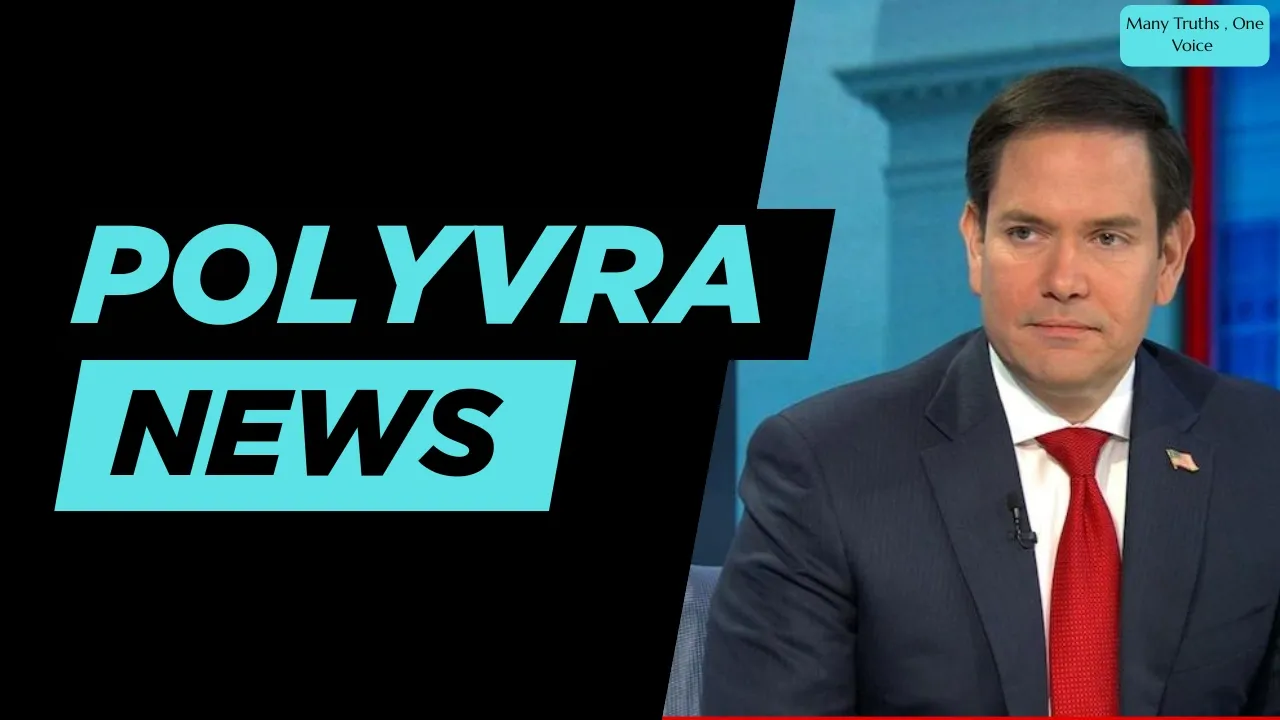
Washington, D.C. – Senator Marco Rubio, a key figure in U.S. policy toward Latin America, remains vague on the details of a transition plan for Venezuela following the arrest of President Nicolás Maduro in the United States. With power now effectively vacant in Venezuela, all eyes are on Rubio to see what steps the U.S. will take to manage the transition.
During a discussion with other American political leaders, Rubio emphasized the need to support a democratic process in Venezuela but did not provide any specific dates or concrete steps. This vagueness highlights the diplomatic complexity, as the U.S. seeks to support stability while respecting international norms.
“We must support the democratic process, but any action must be taken with caution and international consultation,” Rubio stated.
Political Analysis:
Rubio’s lack of specifics has left international observers questioning how the U.S. plans to facilitate a non-violent transition of power in Venezuela.
The international community and Venezuelan opposition are awaiting a clear plan to ensure stability now that the presidency is effectively vacant.
Discussions at the strategy table indicate the U.S. is attempting to balance diplomatic pressure with domestic political considerations without direct intervention.
Key Points:
Rubio views diplomatic and economic support as the primary tools to facilitate the transition.
No step-by-step plan or timeline has been presented.
The international community continues to monitor U.S. actions to avoid destabilization in the region.
Following Maduro’s arrest in the U.S., power in Venezuela is vacant, yet Rubio remains vague about the specifics of a transition plan. This leaves many questions unanswered regarding how the U.S. and its allies will support a democratic transition while ensuring regional stability and international compliance.
Hashtags:
#PolyvraNews
#PolyvraReport
Website: www.polyvraNews.com